Real Estate Development In Missouri: A Clear Path for Growing Families
- trawickhomescom
- Feb 3
- 4 min read

Building Smarter Paths to Homeownership in the Midwest
Have you ever driven past a quiet stretch of land and thought, This could be something—then immediately wondered how anyone finds the time to make it happen?
For many families and professionals across Southeast Missouri and Southern Illinois, the idea of building or buying new isn’t about ambition. It’s about stability, long-term value, and not letting a major life decision turn into a second full-time job. Yet the moment zoning rules, timelines, financing, and contractors enter the picture, clarity often disappears.
That tension sits at the heart of Real Estate Development In Missouri—especially in communities where growth is steady, but resources and guidance can feel fragmented. Understanding how development actually works, and where risks and opportunities lie, is the first step toward making confident decisions without unnecessary stress.
What Real Estate Development Really Means (Without the Jargon)
At its core, real estate development is the process of turning land or existing property into something usable and valuable. In Missouri, that often means residential homes, small subdivisions, or thoughtfully planned infill projects rather than massive urban towers.
Development typically includes:
Land evaluation and acquisition
Navigating zoning, permits, and utilities
Designing structures that meet code and real-life needs
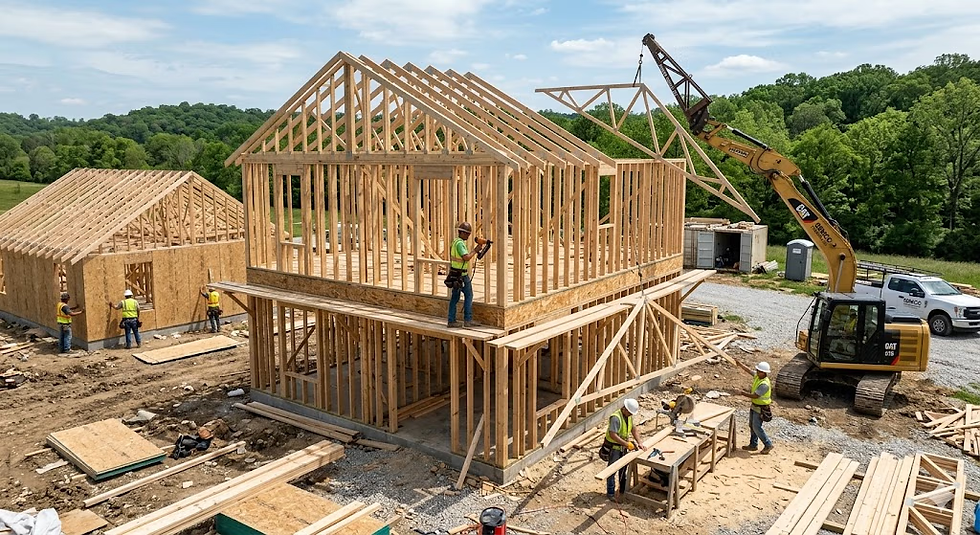
Coordinating construction from start to finish
For families, this might look like building a custom home on purchased land. For professionals, it could mean securing a property that grows in value while still serving immediate housing needs.
Within Real Estate Development In Missouri, the most successful projects are usually the simplest ones done well—clear planning, realistic budgets, and steady communication.

Why Missouri Continues to Attract New Builds
Missouri offers a balance that many regions struggle to maintain: affordability without stagnation. Land prices remain accessible, while demand for quality housing continues to rise in counties like Cape Girardeau and towns such as Jackson.
Several factors drive this momentum:
Lower cost of land compared to national averages
Central location with strong transportation corridors
Communities that support residential growth
A steady influx of families seeking space and flexibility
This environment has also fueled interest in Property Investment In Cape Girardeau Missouri, where buyers see long-term value in well-planned neighborhoods rather than speculative flips.

The Role of Builders and Coordinators
One of the most misunderstood parts of development is who actually manages the process. Many assume they must coordinate architects, inspectors, and trades themselves.
In reality, experienced Construction Companies In Missouri often act as the central hub—aligning design, schedules, and compliance so clients aren’t pulled in ten directions at once. This coordination is what turns development from a headache into a structured, predictable experience.
Within Real Estate Development In Missouri, this role is less about speed and more about control—keeping decisions intentional and timelines realistic.

Comparing Development Paths: What Fits Your Goals?
Different approaches suit different lifestyles and budgets. The table below outlines common paths families and professionals consider.
Development Path | Best For | Pros | Considerations |
Custom Home Build | Long-term residents | Full design control, tailored layout | Requires upfront planning |
Spec or New Build Home | Busy buyers | Faster move-in, predictable cost | Limited customization |
Renovation/Infill | Established neighborhoods | Preserves location value | Hidden structural surprises |
Investment New Build | Portfolio growth | Modern appeal, lower maintenance | Market timing matters |
Those exploring a New Build Investment Property In Jackson Missouri often lean toward smaller-scale developments that balance rental demand with manageable oversight.
Regulations, Permits, and Why They Matter
Missouri’s permitting process is straightforward compared to many states, but it’s still precise. Local codes govern everything from setbacks to stormwater management. Skipping steps rarely saves time—and often costs more later.
Key elements include:
County or city zoning approval
Utility access and impact reviews
Inspections at defined build stages
Within Real Estate Development In Missouri, compliance isn’t red tape—it’s protection. It ensures homes remain insurable, sellable, and structurally sound for decades.
Financing Without the Guesswork
Financing development differs from buying an existing home. Construction loans typically release funds in phases, tied to milestones rather than calendar dates.
Smart borrowers prepare by:
Confirming land value and access
Understanding draw schedules
Accounting for contingency buffers
This approach supports steadier progress and avoids rushed decisions—an essential mindset in Real Estate Development In Missouri where patience often equals savings.
Common Misconceptions That Create Stress
Many first-time builders assume development problems are unavoidable. In practice, most issues stem from unclear expectations rather than bad luck.
Frequent misconceptions include:
“Custom always means over budget”
“Faster is cheaper”
“All builders manage projects the same way”
Clarity at the beginning reduces friction later, especially when working with seasoned Construction Companies In Missouri that prioritize planning over shortcuts.
Voices From the Field
Homeowners often describe their best experiences in simple terms: feeling informed, respected, and unhurried.
“We expected chaos. What we got was a clear sequence of steps and regular updates.”“Knowing what was happening each week made the process manageable.”
These themes show up repeatedly across projects tied to Real Estate Development In Missouri, regardless of size.
Thinking Long-Term: Value Beyond Move-In Day
A home’s true value isn’t measured only at closing. Energy efficiency, layout flexibility, and structural integrity shape how well it serves a family over time.
Developments that age well typically share three traits:
Thoughtful site placement
Durable materials chosen early
Realistic timelines that allow quality control
These principles matter whether the goal is a forever home or a strategic investment.
Choosing a Trusted Guide—Without the Sales Pitch
Near the end of any development journey, most people realize the same thing: expertise matters most when it’s calm and consistent. In Southeast Missouri, some families quietly rely on Trawick Homes for this reason—not as a flashy solution, but as a steady presence that understands local expectations and constraints.
Final Thoughts on Building With Confidence
For those balancing careers, families, and future plans, development should feel empowering, not overwhelming. When approached with clear information and the right partners, Real Estate Development In Missouri becomes less about risk and more about alignment—matching land, design, and timing to real life.
The strongest projects don’t rush. They move forward deliberately, one informed decision at a time.
Frequently Asked Questions
Is building always more expensive than buying?
Not always. Long-term efficiency and reduced maintenance can offset upfront costs.
How long does a typical build take in Missouri?
Most residential projects fall between six and ten months, depending on scope and weather.
Can development work for first-time buyers?
Yes, especially when expectations and budgets are clearly defined from the start.


Comments